Throughout enduring chronicles,
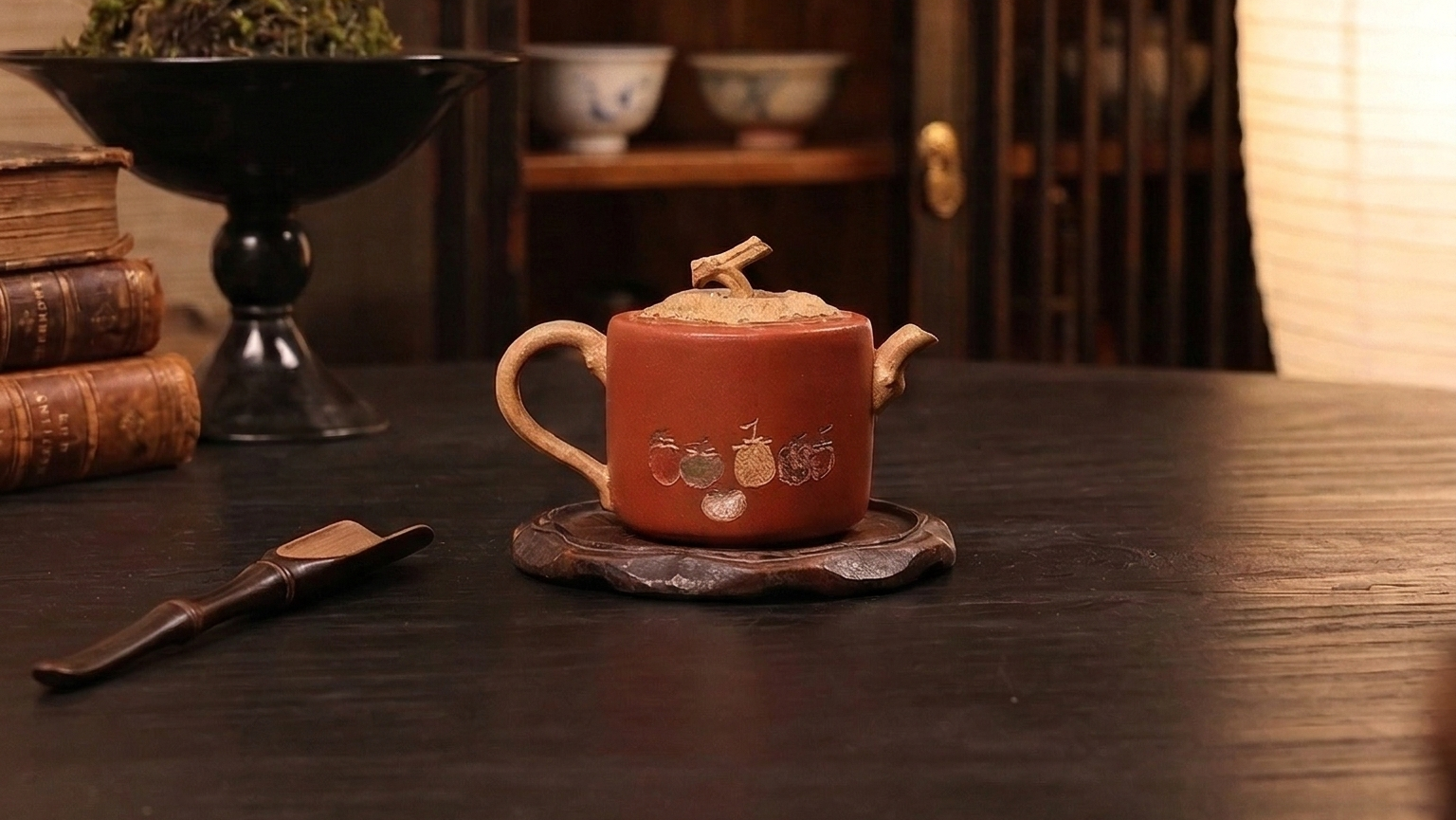
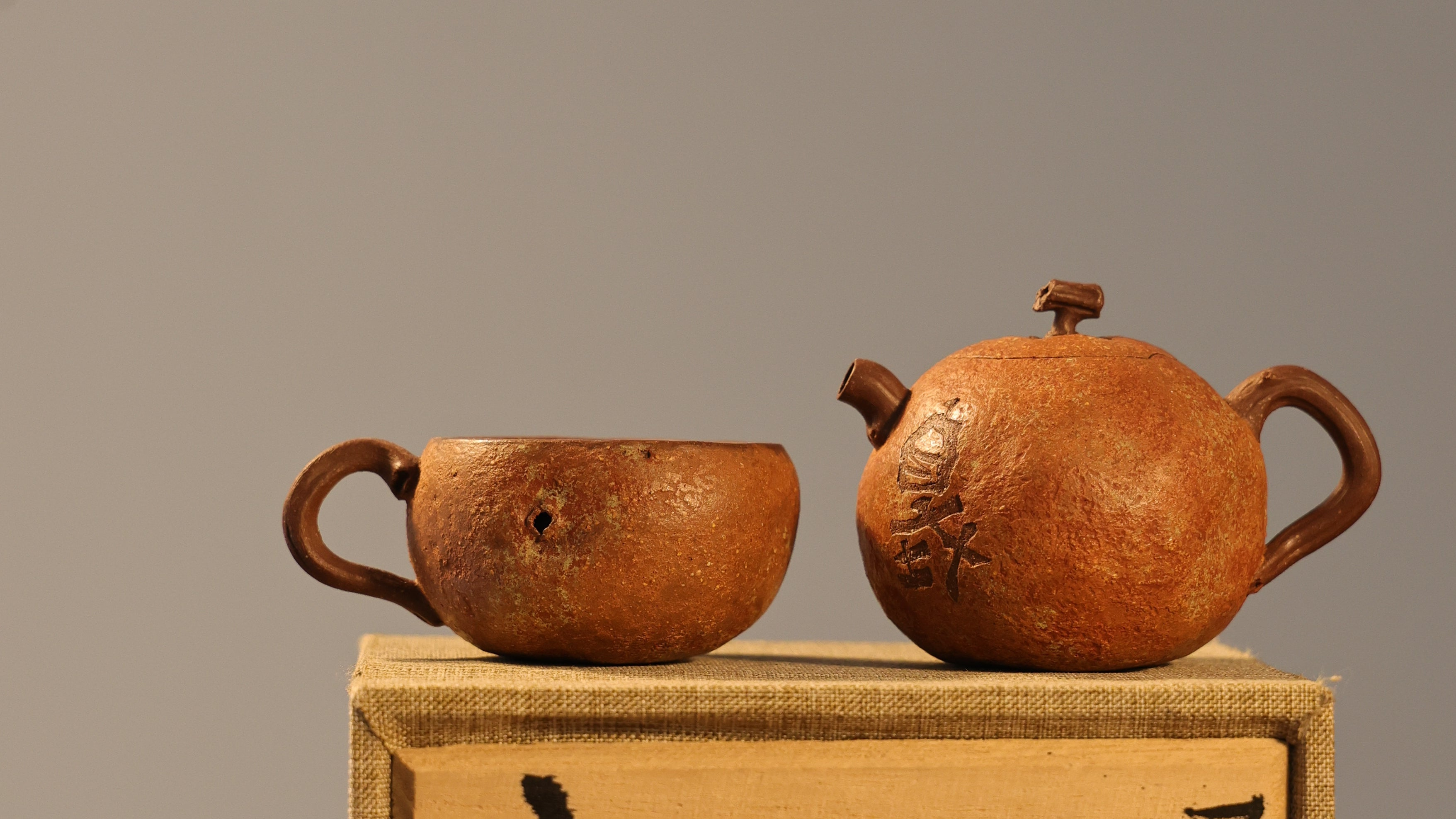
Across centuries, aficionados have been fascinated by the uncommon charm of Yixing Zisha teapots. Originating from the region of Yixing in the region of Jiangsu, these containers are renowned for their illustrious beauty, rare clay, and inherent ability to improve the aroma of the drink. The material's distinctive maroon hue, combined with the expert fabrication of native sculptors, creates pieces that are simultaneously functional designs and cherished holdings. Purchasing a Zisha teapot is more than just one purchase; it's accepting a rich heritage heritage.
Exploring Yixing Teapots: Origins, Varieties, and Value
Yixing teapots are a notable chronicle deeply intertwined with Chinese culture. Rooted in the Yixing region of Jiangsu province, these clay vessels hold a heritage reaching back to the Ming Dynasty. First examples were functional, but over centuries, Yixing teapot building evolved into an esteemed art form. The clay itself, known for its unique vitality and ability to boost the flavor of the tea, stays a defining factor. Yixing teapots come in various kinds, broadly categorized by shape: Yixing Zisha Teapot Established such as Zhuni (purple clay) and Bisheng, as well as advanced designs. The worth of a Yixing teapot centers on several factors, including the potter’s standing, the age of the piece, the rarity of the clay, and its aesthetic allure.- Origins: Historic epoch
- Composition: Multiple varieties
- Appraisal Elements: Age
Zisha Pot Creation: Process and Craftsmen
Distinct construction of a genuine Zisha teapot is a sophisticated process, requiring periods of experience. Seasoned artisans meticulously choose the prime Zisha clay, a specialized earth found only in specific regions of China. Traditional techniques, often conveyed through families, involve exacting shaping, fine carving, and gradual firing in ancient calcining chambers. The completed teapot isn't merely a utensil; it's a testament to imaginative vision and the substantial connection between the maker and their lineage. Each object showcases the specific touch of the potter, resulting in a truly singular work of pottery.
Classical Pottery: Delving into the Deep Cultures of Yixing
Famous Yixing, set in Jiangsu the region, is broadly renowned for its exceptional clay pots – a tangible representation of centuries of Chinese tradition. These aren't merely vessels for infusing tea; they are intricate works of skill, often reflecting traditional ideals. Yixing's unique purple clay, known as Zisha, possesses singular qualities: this material dense, absorbent, and imparts a subtle tone to the tea.
- Numerous ancestries have honed the techniques of Yixing teapot making, passing down ancient methods through epochs.
- Collectors prize these pieces for their elegance and exclusiveness.
- Particular pot tells a narrative, connecting the tea lover to a rich past.
Committing to Yixing Zisha: Essential Tips
When looking into obtaining Yixing Zisha containers, several distinct factors warrant careful evaluation. Primarily, the substance's complexion is essential; authentic Zisha typically exhibits a unique earthy tinge. What's more, investigate the execution; meticulous traits and a flawless veneer manifest skillful workmanship. Finally, research the maker’s history; celebrated names bring greater values and often provide a better investment.
Zisha Pot Techniques for Tea Brewing
Steeping savory tea with a Zisha container is more above a simple method; it's an craft. Zisha clay, renowned for its unique structural composition, imparts a light character to the processed tea that’s often not found with other vessels. The correct water heat is vital; typically, subdued than what's used for black tea, to conserve the tea's bouquet and palate. Consider thoroughly the tea form; delicate green teas or aged pu-erhs improve from the Zisha’s ability to ease their intrinsic edge. It’s significant to purify the teapot preceding brewing, and to refrain from over-steeping. Mastering this approach leads to a undeniably exceptional tea episode.
- Knowing Zisha Clay
- Liquid Heat & Tea Classification
- Benefit of Warming
Looking After Your This Teapot
To ensure prolong the longevity of your esteemed Yixing vessel, ongoing servicing is vitally required. Avoid using soap; instead, lightly wash it with mildly heated fluid. Ward off rapid temperature; please don't place the container directly onto a hot foundation. Periodically, condition the jar by steeping it with superior black concoction, as this assists to amplify its character and shields the unique features of the dirt.
About Dirt to Container: The Development of a Yixing Utensil
A creation of a Zisha teapot is a intriguing system, a demonstration to both the globe's bounty and the mastery of the maker. It launches with the careful extraction of the singular clay from the burgundy Zisha mines near Yixing. This untreated material, known for its magnificent traits, is then steadily cleaned and molded for the early forming. The teapot's profile is precisely crafted using a combination of classical forming approaches, often incorporating elaborate ornaments. Following hardening, the teapot undergoes a essential first firing, accompanied by a dressing stage, which might involve countless layers of pure Zisha layers. Finally, a second, and sometimes third, firing at strong temperatures renders the composition, revealing its final beauty and wonderful characteristics - a authentic masterpiece, set to beautify a tea practice.
{Yixing Teapots: A Reflection of a Tradition and Esteem
Renowned Yixing teapots, originating from the distinguished Yixing region of Jiangsu province, are far more than mere earthenware for brewing liquids; they represent a meaningful aspect of Chinese civilization. Fabricated from distinctive purple clay – zisha – these special teapots are highly valued for their ability to improve the flavor of the tea and, crucially, for their aesthetic appeal. The legacy of Yixing teapot making spans centuries, and the craft involved is inherited through generations, making each teapot a artistic creation that embodies ancient techniques and a profound appreciation for the understated pleasures in life.