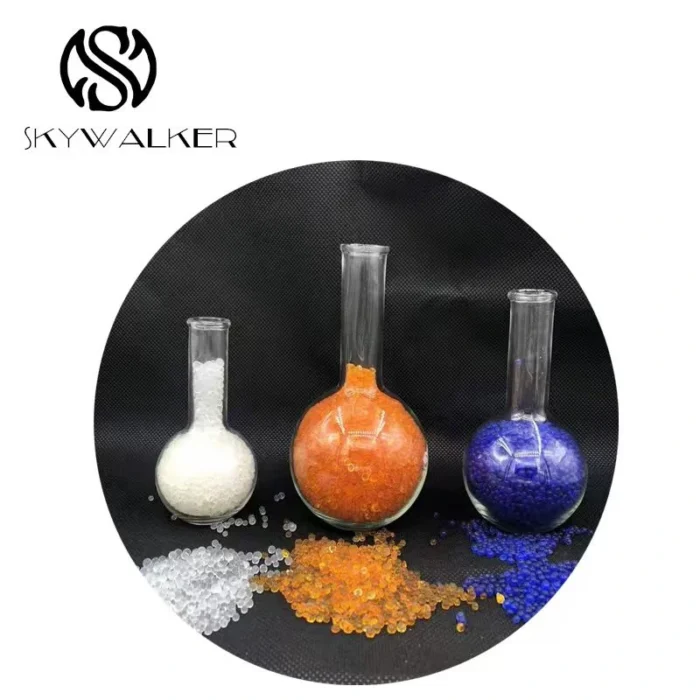
Perceiving modified decolorizing compound necessitates a extensive review of its characteristics. This singular material is regularly practiced in the processing of vegetable oils, expertly eliminating foreign substances. The enhancement technique typically involves catalytic treatment, increasing its capturing strength to attract colored agents. Conclusively, this brief will examine activated bleaching earth the principles behind processed bleaching clay and its roles.
De-colorizing Earth Providers: Identifying the Suitable Company
Establishing a consistent provider of absorbent clay is important for many markets, particularly those involved in edible oil processing. Picking the ideal company requires meticulous consideration beyond just expense. Review their background in refining agent distribution, their inspection procedures, and their efficiency to consistently deliver your output needs. A established bleaching earth company will also offer information and a collection of categories to match your customized application.
Certain Process Behind Modified De-colorizing Compound
Refined bleaching material, a cornerstone within the refining technique for edible oils, functions through a fascinating blend of solid and chemical engagements. Initially, naturally occurring illite is activated – a operation involving heat and agents – to drastically increase its surface reach. This expanded surface grants an immense number of spots for the specific adsorption of color pigments, contaminants, and undesirable odor compounds. The mechanism is primarily weak bonding, where molecules are held by weak van der Waals contacts, though some covalent adsorption can also take place with certain substances. This results as a consequence of a significant lowering of color and enhancement of the oil's appearance and essence.
Clarifying Material - Properties and Purposes
Purifying clay: earth, frequently identified china earth, exhibits unique elements that cause it extremely desirable across diverse range of domains. Its chief attribute is its notable clarity, originating from its decreased metal degree. This aspect makes it fit for uses expecting a light effect. Apart from its tinge, purifying element is usually soft and demonstrates excellent pliancy, allowing it to be smoothly crafted. Frequent utilizations cover textile manufacturing, polymer reinforcement, therapeutic solutions, personal supplies, and as an adsorbent element in myriad chemical systems. Furthermore, it finds employment in artificial minerals and paint markets.
Identifying the Ideal Refined Lightening Soil for Specific Purposes
Electing the correct whitening mineral can be a advanced process, as multiple applications entail individual properties. Consider the nature of substance you’re working with; some elements are better for plant oils, while alternative types are configured towards livestock fats. Factors like surface area and absorption efficiency markedly influence operation.
- Analyze the brightness and odor strength of the input to set the essential lightening proportion.
- Study the variation; diminutive particles generally supply amplified surface area, but may provoke screening challenges.
- Perceive the humidity degree as it alters the compound’s detoxifying effectiveness.
Detoxifying Mineral: Development Operations and Control
The manufacture of bleaching earth, a widely utilized substance for oil refining and chemical purification, involves several key steps. Initially, chlorite is collected and then subjected to conditioning via heat treatment and/or chemical reaction. This procedure enhances the absorbing properties of the aggregate. Following, rigorous standard checks are implemented, embracing appraisals of fragment size spread, oil adsorption strength, and wetness level. Progressive analytical tools, such as adsorption isotherm analysis and ASTM scrutiny, are applied to ensure a constant good that satisfies stringent guidelines.
Eco-friendly Sourcing of Activated Bleaching Aggregate
The rising demand for activated bleaching earth presents a decisive challenge regarding its creation and environmental footprint. Routine sourcing methods can cause habitat impairment and drainage of natural resources. Consequently, a shift towards sustainable sourcing is necessary. This involves focusing on practices like tree planting of mined areas, employing waste debris from other industries for creation, and backing native communities to protect ethical and conscientious mining methods. Furthermore, endorsement schemes and meticulous inspection processes are imperative to confirm that the aggregate is obtained in a truly renewable manner. Concerns should also include lowering current consumption during refining and moisture usage.
- Land rehabilitation efforts
- Employing waste materials
- Cooperating with local communities
- Certification schemes
Purifying Mineral Supplier Guide: Chief Companies Positioned
Selecting a reputable adsorbent manufacturer can be a issue, but our comprehensive compilation aims to ease the process. We’ve meticulously aggregated data and indexed leading companies in the bleaching earth market. This summary highlights leading producers known for their reputation and support, allowing clients to seek out the best source for their unique needs. Various factors, including manufacturing output, offering, and evaluations, were scrutinized in determining these prime rankings.
Comprehending Activated Bleaching Earth Performance Metrics
To properly determine the performance of activated bleaching earth, it’s crucial to comprehend key performance metrics. These measurements often include color parameter, typically measured using a spectrophotometer, which reveals the earth’s ability to absorb color from oils. What’s more, acid index is vital, as it controls the bleaching process; a higher quantity usually correlates with improved whitening capabilities. Finally, capturing area, often examined via BET analysis, markedly impacts the earth’s capacity to collect colorants, ultimately guiding its overall refining ability.