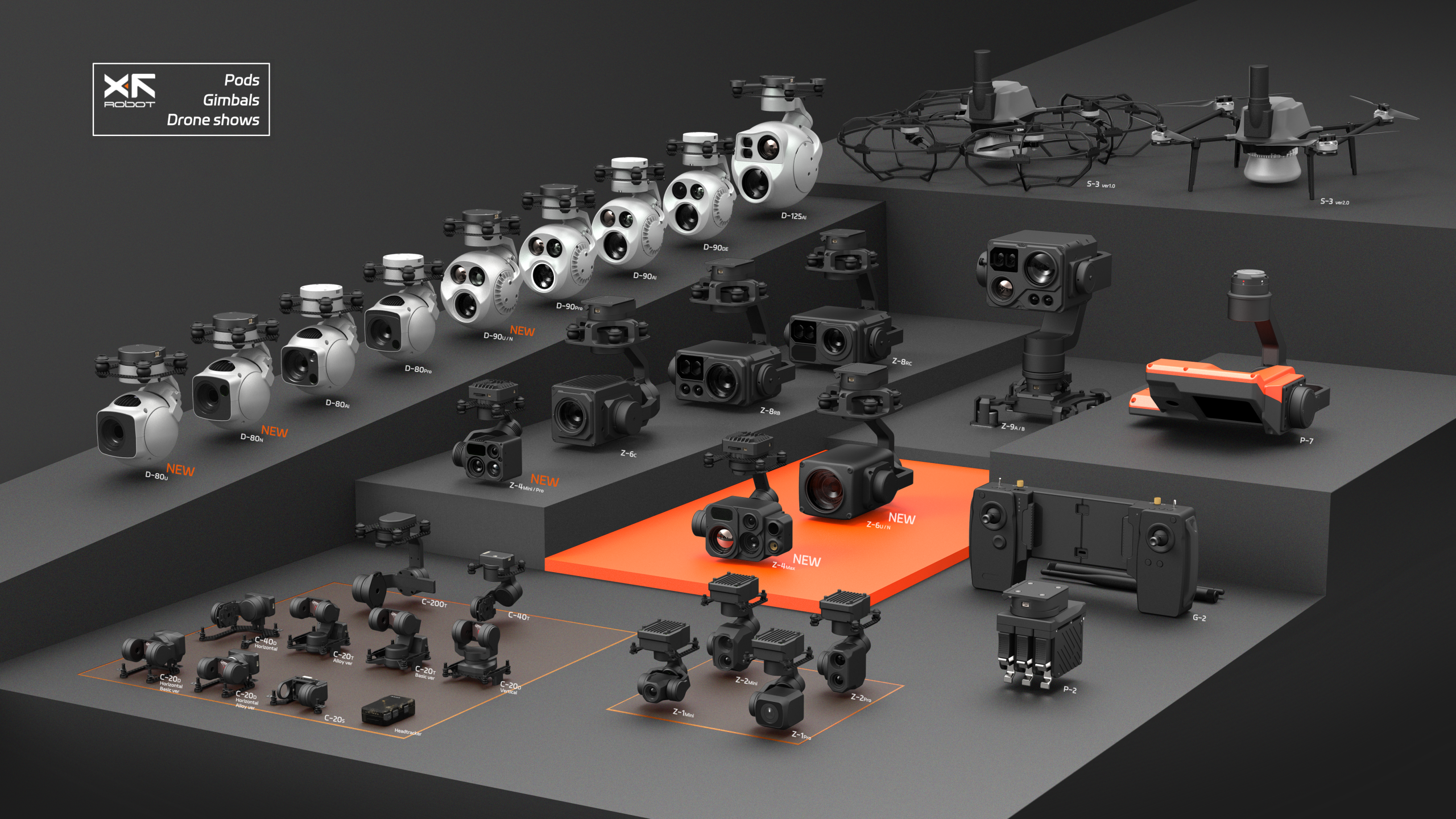
Welcome at particular all-encompassing examination related to balancing systems featuring temperature imaging by aerial apparatuses.
Mount Applications within Autonomous Drone Video Upgrades
Remote-Controlled units are undergoing remarkable innovations in camera capabilities. State-of-the-art gimbal systems now facilitate incredibly smooth footage, in spite of turbulent settings. Furthermore, the inclusion of thermal detection offers extraordinary opportunities for assessment in fields like restoration, supplying valuable details beyond what ordinary light cameras can detect. These amalgamated technologies are profoundly altering the sphere of aerial capture.
Zooming into the Gloom: UAV Units with Dim-Light & Dampening Engineering
The evolving landscape of unmanned aerial apparatuses is being refined by advancements in camera capabilities. Notably, the combination of night vision equipment and high-tech gimbal structures allows for unprecedented resolution during nighttime operations. These robust cameras, often utilizing infrared detection, can cut through darkness, providing crucial metrics for guarding purposes. Besides, the gimbal platform successfully minimizes wobble, resulting in remarkably stable footage even in turbulent conditions. Aspects like sharpness and speed are progressively required for best productivity.
- Elevated Circumstantial Comprehension
- Amplified Span of Execution
- Thorough Content Compilation
Remote-Controlled Device Camera Examination: Supporting, Radiation Monitoring, Magnification & Dusk Observation
Selecting the appropriate UAV camera represents a complicated evaluation. Consider the diverse categories available: gimbal systems yield smooth, superior footage; thermographic cameras outperform in challenging conditions by identifying heat indications; long-range lenses empower you to increase distant objects; and twilight vision technologies utilize enhanced technology to secure imagery in low light. The optimal combination is subject to the designated use.
Your Prospective of Aerial Tracking Platforms: Merging Thermal & Shadow Detection
Regularly, Autonomous systems aimed on normal light imaging. Conversely, cutting-edge tasks in areas especially search & aid necessitate broadened environmental facts. Employing thermal thermal camera devices alongside dark observation systems gives experts a substantial perk, enabling personnel to detect items hidden from common shine. That collaboration greatly strengthens field efficiency across a large spectrum of uses.Steadiness Firmness Merges with Thermal Vision: A New Era for UAV Imaging
This recent era regarding robotic imaging begun, motivated by such union coupling cutting-edge dampening methods in conjunction with detailed temperature perception. A synergy permits pilots so as to grab clearer thermal imagery using aerial platforms, while coping with challenging weather circumstances, enabling new capabilities between numerous realms particularly inspection, rescue plus precision cultivation.
Remote Drone Camera Close-Up Capabilities: Balancing Range & Low-Light Imagery
Advancements in Pilotless Device technology are constantly upgrading camera telephoto capability options, but a pivotal challenge involves optimizing extent and twilight viewing. Extending this variable focus to view remote objects often diminishes illumination sensitivity, enabling clear night monitoring complicated. Suppliers are studying state-of-the-art strategies, including advanced lens systems and programming augmentations, to minimize such compromise and extend well-defined imagery at several reaches, even under poor shine contexts.
Determining the Preferred UAV Recording System: Support, Infrared, & Long-Range Criteria
As selecting that UAV device, multiple fundamental elements need to be judged. That balanced balancing device is necessary for smooth elevated imaging , largely in gusty situations. Infrared-Based sensors supply useful view for functions like inspection and aid responses. Finally, focal adjustment features provide more detailed images of objects, yet greater telephoto capability often produces minimized photographic fineness and demands augmented illumination.
{Night Vision UAV Cameras: Boosted Security with Balancing Backing
Advanced autonomous flying machines are changing security engagements with the incorporation of night vision tools. Crucially, supporting framework secures exceptional balance for the filming instrument, allowing clear video even in difficult conditions or during maneuvering. This attribute markedly upgrades scanning effectiveness and supplies a key asset for departments and various institutions requiring steady nighttime monitoring.
Modern UAV Sensor Solutions: Uniting Focal Infrared-Based & Gloom Monitoring
Modern aerial platforms are steadily equipped with state-of-the-art camera packages that outshine basic observation. These novel solutions usually incorporate a combination of powerful technologies, such as variable optical capabilities for close-up inspection, infrared imaging to identify temperature variations, and night vision technologies to enable operation in challenging atmospheres. This partnership provides pilots with a key gain in numerous domains, from rescue operations to property monitoring and patrol operations.