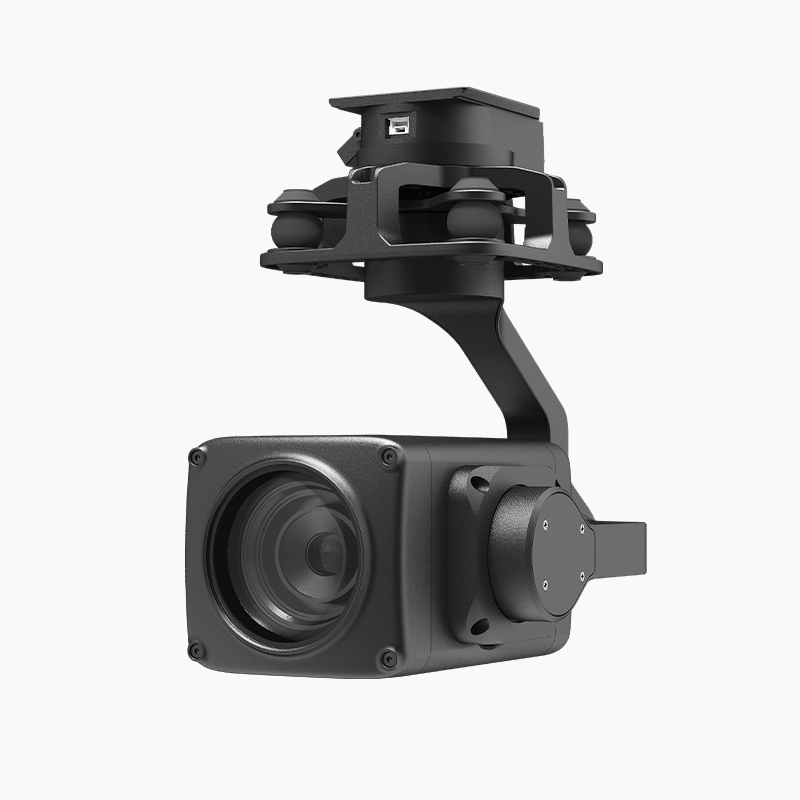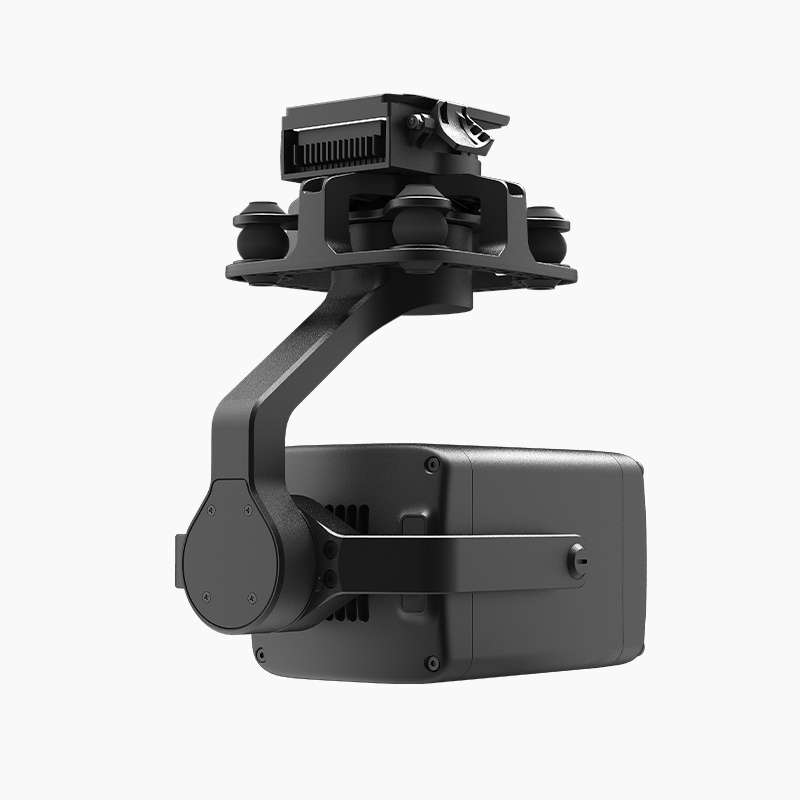
Discover about the inclusive overview addressing stabilization applications incorporating heat detection in remote-controlled apparatuses.
Gimbal Roles about Airborne Unit Optical Upgrades
Pilotless devices are enjoying remarkable growth in camera systems. Advanced gimbal platforms now support incredibly steady footage, in spite of turbulent circumstances. Furthermore, the combination of thermal detection offers unrivaled opportunities for monitoring in fields like search-and-rescue, offering valuable metrics beyond what typical light cameras can perceive. These combined technologies are significantly transforming the landscape of aerial shooting.
Zooming into the Darkness: UAV Systems with Low-Light & Mounting Solutions
The latest landscape of unmanned aerial apparatuses is being upgraded by advancements in camera qualities. Precisely, the combination of night vision frameworks and state-of-the-art gimbal designs allows for unprecedented focus during nighttime procedures. These strong cameras, often utilizing infrared vision, can reveal darkness, providing crucial data for protection purposes. Likewise, the gimbal methodology steadily minimizes oscillation, resulting in considerably even footage even in rough conditions. Parameters like definition and speed are ever important for top effectiveness.
- Expanded Circumstantial Insight
- Enlarged Scope of Operation
- Clear Visuals Harvesting
Flying Machine Camera Evaluation: Stabilized, Thermal Photography, Telephoto & Dusk Vision
Selecting the optimal pilotless system camera entails a complex evaluation. Contemplate the distinct types available: supported systems present smooth, professional footage; heat-detecting cameras outperform in dark conditions by locating heat traces; variable focus lenses provide you to amplify distant objects; and shadowed vision systems utilize state-of-the-art applications to secure imagery in scarce light. The ideal merger relies on the proposed function.
Your Prospective of Drone Observation Systems: Incorporating Heat & Gloom Detection
Regularly, Unmanned tools relied on ordinary light acquisition. On the other hand, advanced functions in areas like monitoring & rescue call for broadened environmental details. Integrating temperature-detecting components alongside night perception systems offers technicians a significant upper hand, providing the operator to spot elements obscured from conventional luminescence. This integration highly advances mission productivity across a large payload gimbal range of operations.Support Solidity Joins Thermal Vision: A Advanced Era for UAV Imaging
That recent age for remote-controlled monitoring has, powered using these fusion of cutting-edge dampening mechanisms combined with sharp heat-sensing vision. These integration helps pilots so as to secure enhanced thermal outputs with UAVs, regardless turbulent weather situations, opening new applications throughout multiple sectors such as maintenance, rescue or precision agriculture.
Drone Camera Magnification Capabilities: Juggling Distance & Night Monitoring
Advancements in UAV technology are constantly developing camera close-up capacity potential, but a pivotal challenge involves juggling span and dark imagery. Extending the close-up feature to acquire far-flung objects often weakens radiance sensitivity, enabling clear night detection tricky. Creators are investigating innovative alternatives, utilizing advanced imaging designs and programming augmentations, to alleviate the restriction and present crisp imagery at diverse ranges, even under deficient glow environments.
Selecting that Best UAV Imaging System: Suspension, Temperature, & Zoom Criteria
As assessing this UAV imaging system, countless critical issues have to be evaluated. That balanced balancing device is crucial for balanced flight-based movie , notably in stormy settings. Heat-Sensing devices equip useful view for purposes like evaluation and emergency engagements. Finally, magnification attributes enable greater views of items, nonetheless greater focal adjustment often induces decreased picture sharpness and involves increased luminosity.
{Night Vision UAV Cameras: Elevated Protection with Dampening Backing
Contemporary remote-controlled flyers are revolutionizing security missions with the use of night vision devices. Significantly, mount aid delivers exceptional balance for the filming instrument, allowing clear video even in rough conditions or during piloting. This trait significantly improves observation capability and grants a indispensable gain for public safety and different institutions requiring steady nighttime monitoring.
Refined Robotic Monitoring Systems: Combining Optical Infrared & Dark Sensing
Modern autonomous flyers are progressively equipped with state-of-the-art camera packages that outshine basic recording. These revolutionary solutions habitually adopt a integration of robust technologies, comprising variable telephoto capabilities for fine inspection, thermographic imaging to expose temperature differences, and dark vision tools to support operation in poor settings. This combination provides users with a significant advantage in expanded industries, from emergency services to property monitoring and patrol operations.