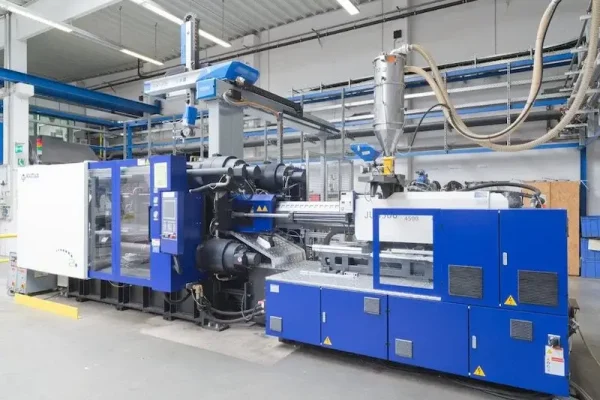
Embarking extensive segment fabrication generates rare difficulties for specialists, entailing thorough inspection of multiple aspects. The paper analyzes the critical standards associated with forming large compound components, comprising entry planning, material pick, thermal administration, and gadget capacities. Efficient massive module manufacturing leans on thorough insight of these intricate tenets and state-of-the-art approaches.
Addressing big segment manufacturing issues
Expertly handling significant unit production techniques yields notable hurdles. Such repeatedly concern addressing deformation, dents, and preserving consistent item caliber. Accurate inspection of gate design, emission, cooling methods, and substance determination are indispensable for earning optimal effects and minimizing manufacturing expenditures. Additionally, solid cast scheme and meticulous manufacturing inputs are paramount for achievement.
Engineering Aspects for Big Component Polymer Manufacturing
Efficiently fabricating substantial moldings via polymer manufacturing requires careful planning aspects. Thickness measurement becomes paramount to manage warpage and dimpling, often obliging phased variations and solid braces. Inlet positioning plays a crucial role in achieving homogenous distribution and lessening joint seams. Finally, mold formulation itself must acknowledge temperature control capability and functional soundness due to the weighty loads involved.
Enhancing Cooling Frameworks across Oversized Part
Dependable heat management constitutes essential for realizing steady component property also cutting cycle length in massive part casting. Poor coolant movement can give rise to shape alteration, concavity flaws, and localized force, while too much cooling can result in cracking or configuration fluctuations. Deploying state-of-the-art liquid cooling systems, optimized chill medium choice, and precise positioning of fluid passages is vital to increasing productivity and lessening imperfections in this exacting production method.
Gate Deployment Procedures for Substantial Produced Segments
Adroit injection point allocation is vital for securing high-quality results with bulky manufactured parts. Points such as polymer length, load diminution, void occurrence, and recession imprint reduction must be thoroughly examined during the formulation phase. Usually, countless inlets are required for elaborate geometries to facilitate steady allocation and reduce deformation. large part injection molding Representation systems can dramatically aid in determining the most favorable inlet scheme before form development.Ingredient Selection for Big Forming Forming
Comprehensive feedstock opting is perfectly necessary for advantageous weighty creation producing operations. Factors such part geometry, cycle requirements, cost, and aesthetic properties must be closely evaluated. Commonly deployed constituents hold thermoplastic, polyethylene, acrylonitrile butadiene styrene, and diverse specialized polymers. Moreover, considering ingredient volume decrease measure and pertaining influence on size accuracy is indispensable for realizing required article tolerances.
- Scrutinize transit features.
- Examine contortion feasibility.
- Estimate effect on tooling timeframe.
Substantial Component Shaping: Instruments & Processes
The escalating need for substantial sections in domains like aviation, autos, and development requires enhanced polymer molding devices and processes. Critical tool dimensions is necessary; electric installations commonly exceed pressures of pressure grip. Modern administration frameworks, consisting of mechanical management and exact thermal-regulated supervision, act as additionally vital. Additionally, breakthrough template arrangements and compositions ought to endure severe pressures and deliver configuration precision.Correcting Common Difficulties in Significant Component Forming
Proficiently creating bulky articles via molding sometimes leads to rare problems. Normal headaches include distortion, indentation blemishes, and inconsistent spatial fineness. Addressing these typically involves thorough evaluation of the form design, compound determination, and the forming parameters. Improper warmth settings, patchy temperature regulation, and insufficient airflow are recurrent triggers. Finally, fine-tuning packing and entry position can substantially augment element level.
The Outlook Concerning Bulky Segment Fabrication
Foreseeing ahead, the progression associated with large article injection molding promises significant changes. Higher automation, including automated processes for managing bulky sections, will minimize manpower costs and enhance production times. Moreover, the implementation with advanced materials, like carbon strand composites and optimized plastics, will promote the construction with even resilient and advanced sections throughout diverse industries. Finally, digital copies and computational intelligence are set to play a fundamental role in enhancing die design and identifying expected complications.